
Tree Pollarding Bexley
Tree pollarding for lime, willow, plane and other suitable trees across the London Borough of Bexley and the Kent border. Professional, insured teams.
Get a Free Quote
No obligation. We reply the same working day.
Tree Pollarding in Bexley: Keep Big Trees at a Manageable Size
Bexley Tree Surgeons arranges tree pollarding across the London Borough of Bexley and the Kent border, carried out by NPTC-qualified, fully insured tree surgery teams.
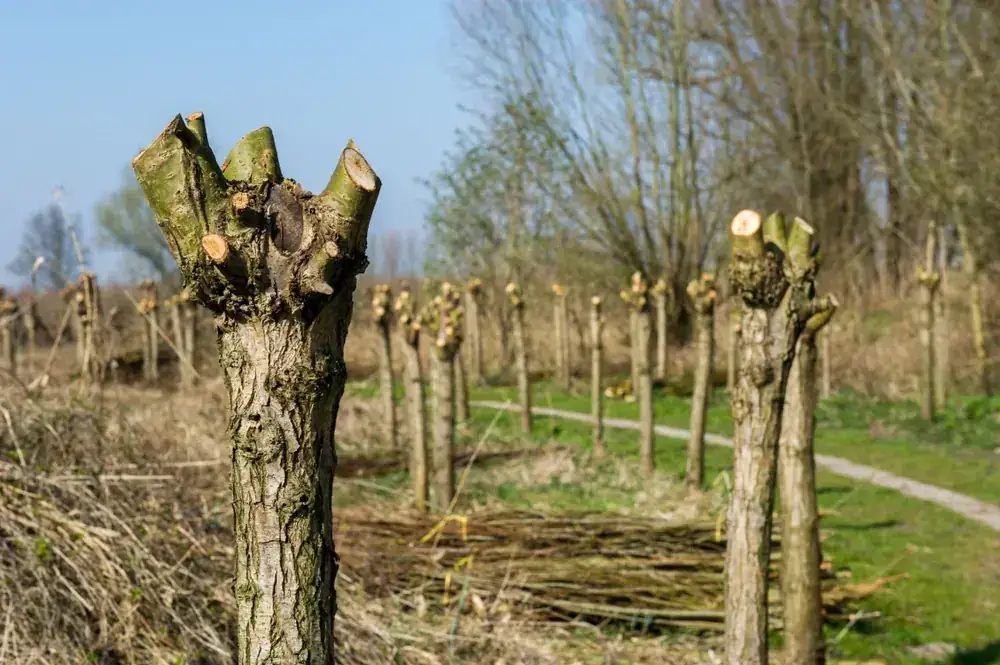
Pollarding is the regular cutting back of a tree to the same framework of main branches, leaving a knuckled, compact crown. It is a traditional technique that keeps large trees at a fixed size, and it suits species that regrow strongly, such as lime, willow, plane, hornbeam and some poplars.
It works best when it starts while the tree is young and is repeated on a cycle, often every one to three years for willow and every few years for slower species. A tree that has been pollarded before should keep being pollarded, because the regrowth is weakly attached and gets heavier each year. Willows near the River Cray and the Shuttle, and limes in the older parts of Sidcup and Bexley, are often kept as pollards so they stay a manageable size.
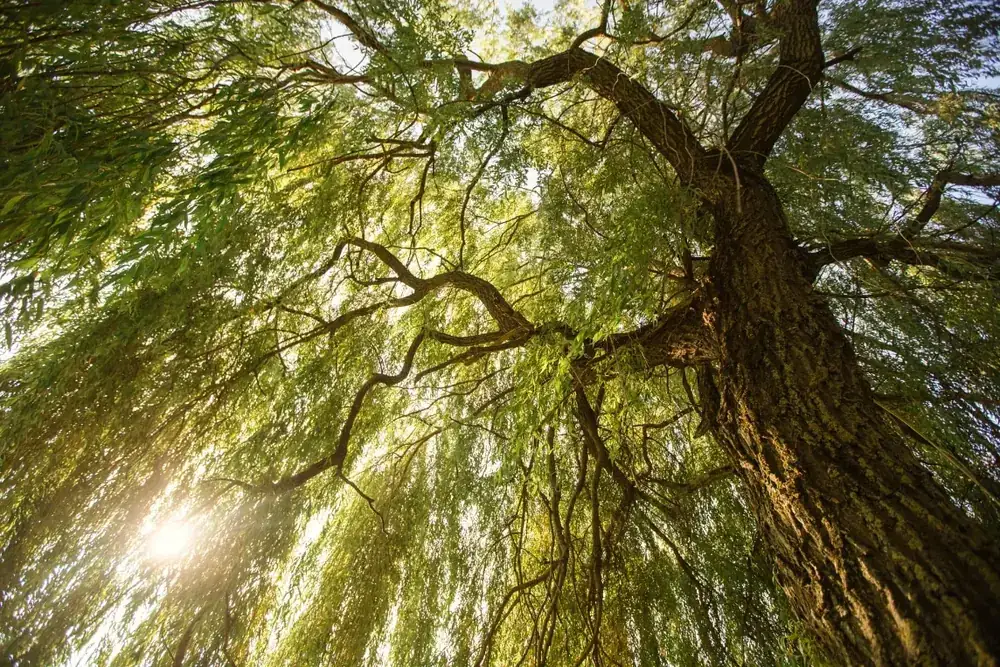
Pollarding Is Not for Every Tree
Pollarding an old tree that has never been pollarded can kill it or leave it in decline. We will assess your tree and say plainly whether pollarding is suitable, or whether a reduction or thinning would be better.
Where it is the right choice, pollarding gives a tidy, predictable tree that stays below overhead lines and clear of buildings, and often looks striking.
What You Get
- Suitable species only
We tell you honestly if pollarding is wrong for your tree.
- Clean cuts
Made at the right points on the tree.
- Cycle planned
Advice on when it will need doing again.
- Overgrown pollards restored
We can bring neglected pollards back under control.
- All waste cleared
Chipped or removed.
Tree Pollarding: Common Questions
What trees can be pollarded?
Species that regrow well, such as willow, lime, plane, hornbeam and some poplars. Many conifers and old oaks do not respond well.
How often do pollards need cutting?
Often every one to five years, depending on species and how big you want the tree to stay.
Can a neglected pollard be restored?
Often yes, but it depends on its condition. We assess it first and advise on the safest approach.
Tree Pollarding Across the Area
Our teams carry out tree pollarding in Bexley and these nearby towns.
Related Services
Tree Removal
Safe felling and sectional dismantling of dangerous, diseased or unwanted trees, with the site left clear.
Crown Reduction
Shorten and reshape a tree that has outgrown its space while keeping its natural shape and health.
Crown Thinning
Selectively remove branches to let light and wind through the canopy without changing the tree's size.
Crown Lifting
Remove lower branches to raise the canopy and clear paths, roads, windows and driveways.

Get a Free, No-Obligation Quote Today
Fill in the form and a qualified tree surgeon will come back to you the same working day. Prefer to talk? Give us a call.
Request Your Quote
No obligation. We reply the same working day.